4.0 Criminology – Explaining Criminal Behavior
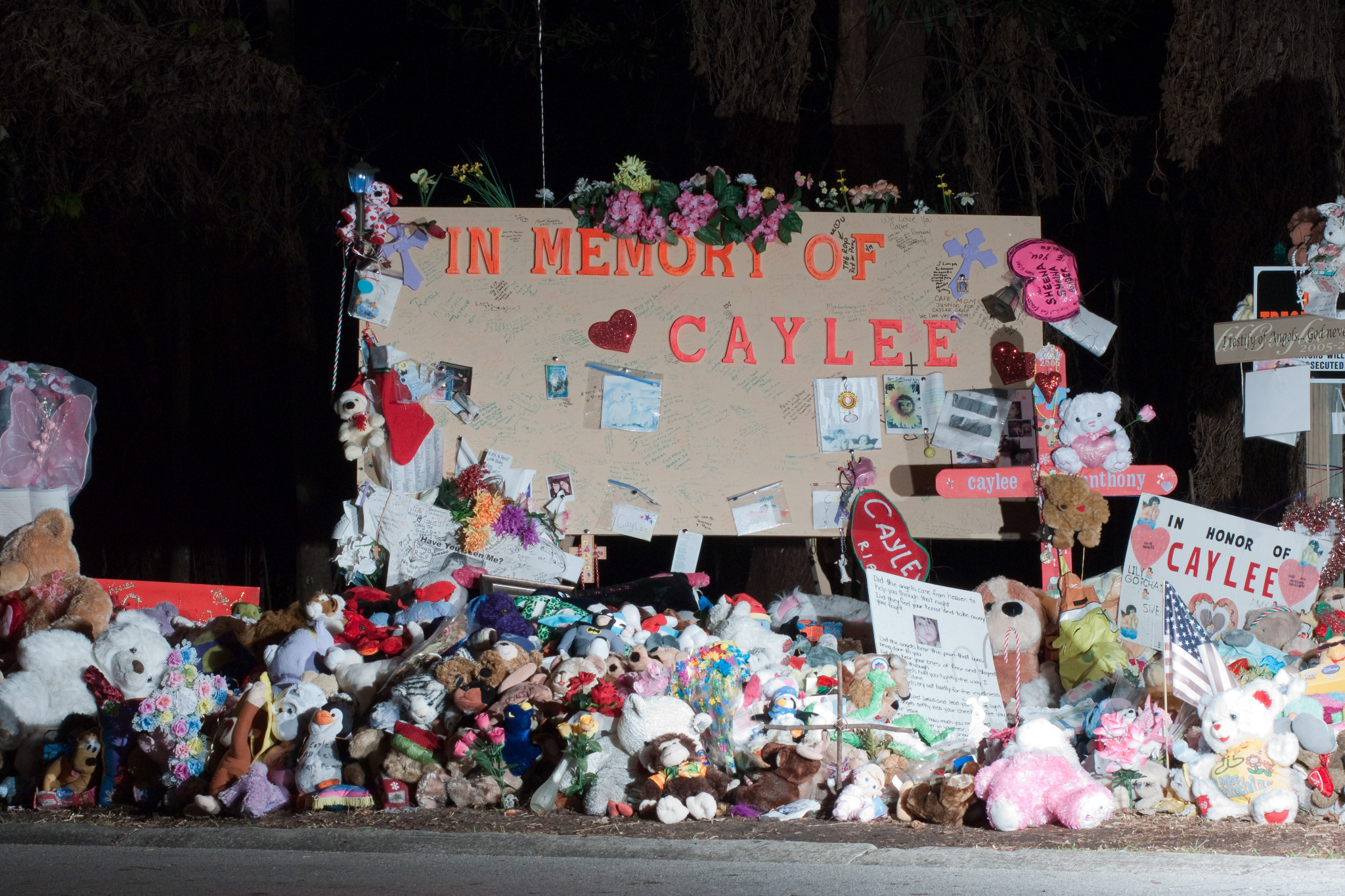
Only one day after she voluntarily reported to authorities in 2008 that her two-year-old daughter Caylee was missing, Casey Anthony was taken into custody for child neglect. The following day, cadaver dogs responded to the scent of human flesh in Anthony’s car. In the criminal trial that followed, and which was broadcast nearly every day on a cable television network, Anthony was found not guilty in the death of her young daughter. She was, however, found guilty of making false and misleading statements to investigators. That conviction was subsequently overturned, after Casey Anthony had served about ten days in jail. To this day, no one has been convicted in the death of Caylee, or was her body ever found (“Casey Anthony Trial Fast Facts,” 2022).
The heartbreak of this story is overwhelming. What led to Caylee’s death? Who was responsible, and, more importantly, how could someone commit such a heinous crime against an innocent child? How could family, friends, and indeed, investigators, ever receive some level of closure? Finally, how can society be ensured that a measure of accountability for Caylee’s demise will ever be found?
The fascination that humans have with crime is complex and not easy for those who don’t share an interest in true-crime stories to comprehend. There are those who pore over every detail of investigations and trials, however, in an attempt to understand why people do bad things to one another. Taking a multi-faceted approach of the societal, psychological, and criminal aspects of such crimes are the focus of this chapter–the criminologists and the services they provide in the criminal justice system.
Figure 4.1
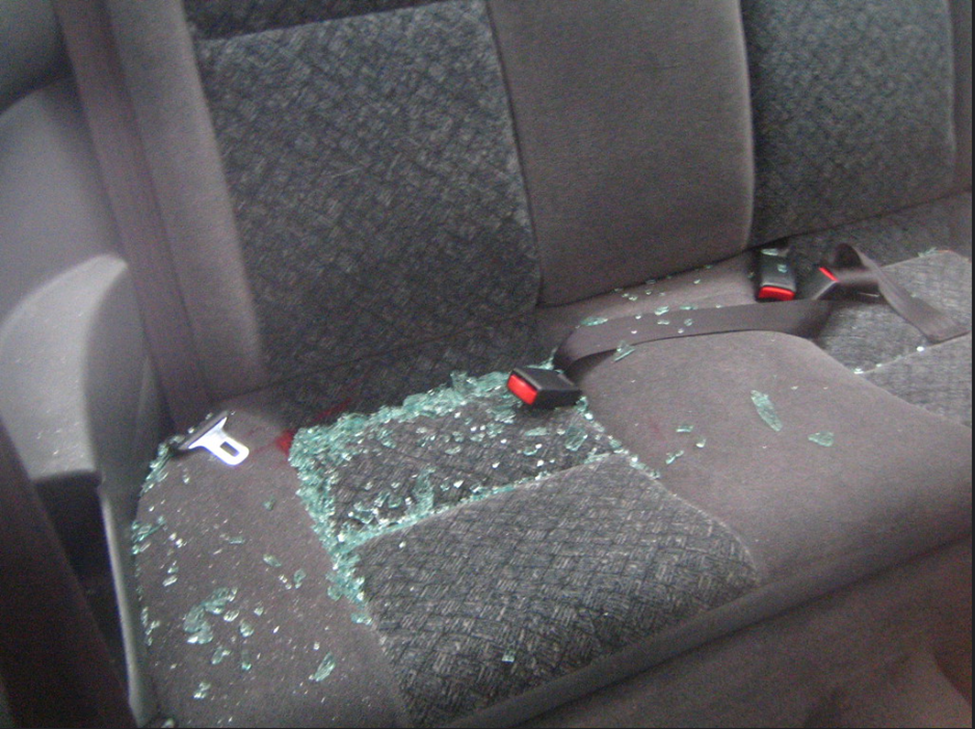
Theft from a vehicle, also called vehicle prowling, is a crime of opportunity. In addition to taking property from within, entry into the vehicle can also lead to the vehicle being stolen. Criminology is defined as ”the scientific study of crime as a social phenomenon, of criminals, and of penal treatment” (Merriam-Webster, 2024, para. 1). Another view of criminology is as “an interdisciplinary profession built around the scientific study of crime and criminal behavior, including their manifestations, causes, legal aspects, and control” (Schmalleger, 2006, p. 15). It is the study of the sociological side of human-perpetrated criminal behavior. Taking a scientific research-based approach to the elements of criminology has become important toward influencing policy making in the administration of justice. Questions answered, trends in criminal behavior noted, and resultant policy direction springing from this research impacts communities, regions, states, and beyond. Think of it this way: people may share certain common interests and life values, while others may take a very different position on the same, or have an entirely opposite belief structure. If peoples’ interests and values are compromised through criminal behavior, research-produced best practices and lessons-learned in areas such as crime prevention techniques, have world-wide relevance. Despite the fact that crimes and punishments differ from country to country, benefits from criminological research and developing new strategies and policies has favorably impacted the globe.
What drives a person to become a criminologist? All scientists conduct measurements. Criminologists are no different. A criminologist examines crime in a “temporal-spatial” (time and space) way. In these longitudinal studies, the characteristics of crimes and those who break the laws are measured. In an effort to curb or eliminate crime throughout history, writers and scholars have written and studied how to contribute toward the reduction, if not complete elimination, of crime. Interestingly, the term “criminology” came about slightly over one hundred years ago.
Objectives
- Explain the concept supporting criminological “theories”, including deviant behavior, and why theories attempting to explain criminal actions are relevant.
- Describe the theories which attempt to explain criminal behavior.
- Explain the importance of ethics, integrity, and objectivity in criminology.
- Compare and contrast various criminological theories and schools.
- Describe the importance to the typologies of crime and their influence within the theories of crime.
- Discuss the multicultural implications to be considered in criminology.
Key Terms
- Anomie
- Chicago School
- Classical School
- Conflict Theory
- Conservative Tendency
- Criminology
- Cultural Deviance Theories
- Deterrence
- Ego
- Functional Theory
- General Deterrence
- Id
- Lex Talionis
- Neo-Classical Theory
- Positivist Criminology
- Positivist School
- Pre-Classical Theory
- Rational Choice Theory
- Rehabilitation
- Retribution
- Restorative Justice
- Routine Activity Theory
- Social Learning Theories
- Social Reaction Theories
- Specific Deterrence
- Strain Theories
- Superego
- Theory