11. Summary
Summary
This chapter offers an introductory exploration of the complex landscape of community corrections within the broader context of the criminal justice system. Community corrections, comprising intermediate sanctions, probation, and parole, constitutes a substantial component of the criminal justice system framework. Each element plays a critical role in supervising offenders in community settings rather than traditional correctional facilities, aiming to achieve a delicate equilibrium between fostering rehabilitation and upholding public safety. However, effective implementation of these sanctions requires addressing logistical, financial, and procedural challenges to ensure consistency and equitable treatment across diverse jurisdictions.
Throughout the chapter, an emphasis was placed on understanding the distinctions and overlaps among these components of community corrections. Intermediate sanctions and probation, although distinct in their applications, share the common goal of offering flexible sentencing options that align punishment with the severity of the offense and rehabilitation needs of the offender. In contrast, parole functions to support offender rehabilitation and successful community reintegration following early release from prison.
The chapter began by exploring intermediate sanctions, which present a range of sentencing measures designed to provide alternative consequences for less severe criminal behavior and first-time offenders, thus circumventing the full impact and costs of incarceration. Sanctions such as community service, house arrest, and electronic monitoring allow judicial discretion to impose suitable sentences that address the specific needs of offenders while ensuring they are held accountable for their actions. This approach helps to mitigate the extensive impact and costs associated with traditional incarceration.
Next, we delved into the topic of probation, starting with its emergence as a progressive reform in the 19th century, shifting the focus from punitive measures to rehabilitation and community-based supervision. Today, probation serves as a non-incarceration sentence granted by the court, allowing offenders to remain in the community under the supervision of probation officers under specific terms. This sentencing option is typically reserved for less severe crimes, first-time offenders, or those deemed suitable for rehabilitation within the community. Probation terms vary widely but commonly include regular meetings with a probation officer, compliance with court-ordered conditions, and participation in rehabilitative programs aimed at reducing recidivism. Additionally, we investigated the roles, responsibilities, and importance of community corrections officers, highlighting their critical function in supervising and supporting offenders residing in the community. These officers play a vital role in monitoring compliance with court-ordered conditions, ensuring that offenders adhere to their rehabilitation plans and contribute to public safety.
Furthermore, the chapter examined the significance of pre-sentencing reports in informing judicial decision-making. These reports offer judges with comprehensive insights into an offender’s background, the circumstances surrounding the crime, and their suitability for alternative sentencing options like probation or intermediate sanctions. By providing detailed information and sentencing recommendations, pre-sentencing reports play a central role in promoting fair and just outcomes within the criminal justice system.
The section concluded with a discussion on probationer rights, outlining their distinctions from the rights of individuals in the general population. These differences are central to ensuring the effective administration of justice.
We then outlined prison intake and release, underscoring the critical role of risk and needs assessments in determining appropriate supervision levels, interventions, and rehabilitation strategies for offenders. These assessments significantly impact offender outcomes and the overall administration of justice. Additionally, we explored the diverse types of prison release, detailing how pathway options are influenced by jurisdiction as well as the individual needs, history, and circumstances of the inmate.
Next, we investigated the historical origins of parole, tracing its development from early penal reforms to its current practices in the modern criminal justice system. Today, parole entails the supervised early release of offenders from prison, contingent upon meeting conditions set by a parole board. This system aims to facilitate individuals’ reintegration into society by offering structured support and monitoring to mitigate the risk of recidivism. Additionally, we explored the pivotal responsibilities and significance of parole officers in overseeing this process.
Lastly, the chapter discusses the rights and responsibilities of individuals under parole supervision, emphasizing the nuanced differences from those of the general population. It evaluates how these distinctions contribute to the administration of justice by balancing public safety concerns with the objectives of rehabilitation and successful reintegration.
Throughout this chapter, we have focused on understanding the multifaceted nature of community corrections and its integral role in the criminal justice system. By exploring intermediate sanctions, probation, and parole, this chapter provides a general overview of how these critical components operate to effectively manage offenders, support rehabilitation, and enhance public safety, all while advancing the broader goals of the criminal justice system. The integration of evidence-based practices and the commitment to balancing accountability with rehabilitation highlight the evolving nature of community corrections in modern society.
In conclusion, the field of community corrections plays an indispensable role in the criminal justice system by offering alternatives to incarceration, promoting rehabilitation, and ensuring public safety. As highlighted in this chapter, probation, intermediate sanctions, and parole are integral components of community corrections that collectively manage a majority of the offender population. Understanding these components and their interconnectedness allows stakeholders to develop more effective strategies for managing offenders, reducing recidivism, and facilitating the successful reintegration into society. This chapter underscores the importance of evidence-based practices and continuous evaluation to inform policies and guide practices in community corrections, striving towards a more just and rehabilitative approach to criminal justice.
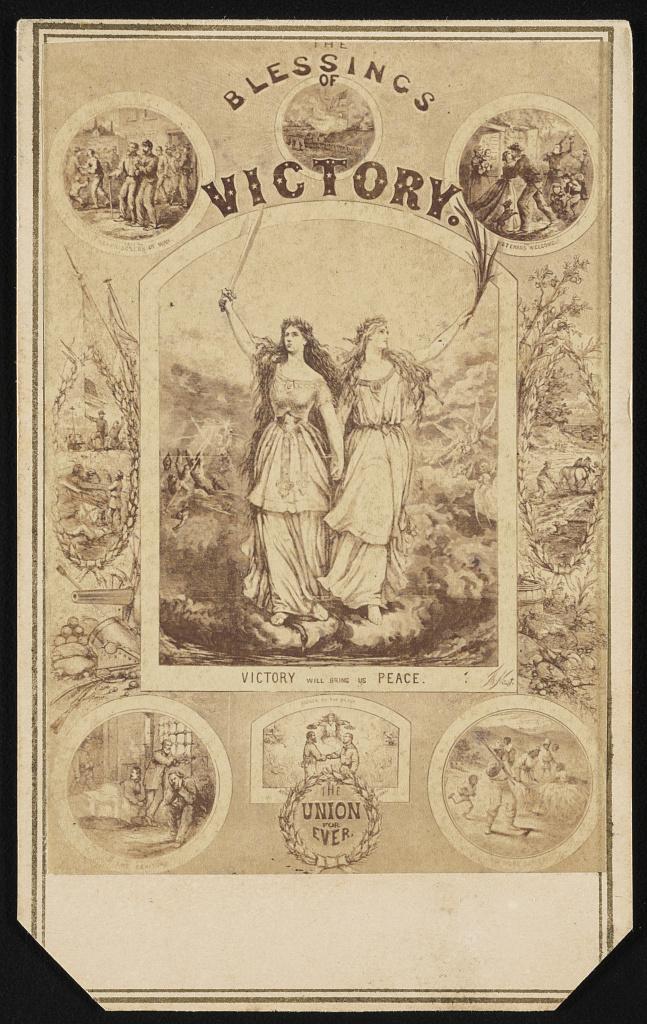
Figure 11.20
Review Questions
- Explain the significance of pre-sentencing reports in the criminal justice system. How do these reports assist judges in making informed decisions regarding sentencing and punishment? Provide examples of what information these reports typically include and discuss how this information influences judicial outcomes and the administration of justice.
- Explain the historical origins of probation and parole in the United States. Discuss how these practices have evolved over time to become integral components of the modern criminal justice system.
- Compare and contrast the roles and responsibilities of probation and parole within the framework of community corrections. How do these two components overlap, and what distinguishes them from one another? Provide examples to illustrate your points.
- Discuss the various types of intermediate sanctions used in community corrections, emphasizing the importance for the array of punishment options. What are some potential challenges or issues associated with implementing these sanctions effectively?
- Discuss the role of risk assessments and needs assessments in offender rehabilitation and reintegration into society. How do these assessments help in tailoring rehabilitation programs and supervisory strategies for individuals under correctional supervision? Provide examples to illustrate their impact on reducing recidivism and promoting successful community reentry.
- Discuss the role of community corrections in balancing rehabilitation and public safety. How does the utilization of probation, parole, and intermediate sanctions contribute to this balance, and what are the key challenges faced in implementing these strategies effectively?
- Discuss the role and importance of community corrections officers (CCOs) in the criminal justice system. How do CCOs contribute to public safety, offender rehabilitation, and the successful reintegration of individuals into society? Provide examples of specific duties and responsibilities of CCOs that illustrate their impact on both offenders and communities.
- Compare and contrast the rights of individuals under community correction supervision with those of the general population. What are the key components that differentiate these rights from general citizens, and how do these differences impact the administration of justice? Discuss the rationale behind these modifications and evaluate their significance in balancing rehabilitation efforts with public safety concerns within the criminal justice system.
- Discuss both front-end and back-end net-widening phenomena caused by intermediate sanction. Additionally, explore strategies to mitigate these negative effects.
- Outline the various types of prison release mechanisms, and then analyze the advantages and disadvantages associated with each type of release.
References
Ahlin, E., & Douds, A. S. (Eds.). (2021). Taking problem-solving courts to scale: Diverse applications of the specialty court model. Lexington Books.
Andrews, D. A., Bonta, J., & Wormith, J. S. (2006). The recent past and near future of risk and/or need assessment. Crime & Delinquency, 52(1), 7-27. https://doi.org/10.1177/0011128705281756
Barry, J. V. (1956). Pioneers in Criminology XII–Alexander Maconochie (1787-1860). Journal of Criminal Law, Criminology, and Police Science, 47(2), 145-161. https://scholarlycommons.law.northwestern.edu/jclc/vol47/iss2/1/
Bouffard, J. A., & Muftic, L. R. (2006). Program completion and recidivism outcomes among adult offenders ordered to complete a community service sentence. Journal of Offender Rehabilitation, 43(2), 1-33. https://doi.org/10.1300/J076v43n02_01
Boyle, D. J., Ragusa‐Salerno, L. M., Lanterman, J. L., & Marcus, A. F. (2013). An evaluation of day reporting centers for parolees: Outcomes of a randomized trial. Criminology & Public Policy, 12(1), 119-143. https://doi.org/10.1111/1745-9133.12010
Buehler, E. D., & Kluckow, R. (2024). Correctional populations in the United States, 2022–Statistical tables. U.S. Department of Justice, Office of Justice Programs, Bureau of Justice Programs. https://bjs.ojp.gov/document/cpus22st.pdf
Byrne, J., & Pattavina, A. (2017). Next generation assessment technology: The potential and pitfalls of integrating individual and community risk assessment. Probation Journal, 64(3), 242-255. https://doi.org/10.1177/02645505177208
Cadigan, T. P. (1991). Electronic monitoring in federal pretrial release. Federal Probation, 55(1), 26-30. https://www.ojp.gov/ncjrs/virtual-library/abstracts/electronic-monitoring-federal-pretrial-release
Clarke, S. H. (1994). Supplement (1994) to “Law of Sentencing, Probation, and Parole in North Carolina”: The Structured Sentencing Act and related legislation, 1993-94. School of Government, University of North Carolina at Chapel Hill.
County of San Mateo. (n.d.). The history of probation. Retrieved March 18, 2024, from https://www.smcgov.org/probation/history-probation
Craddock, A. (2009). Day reporting center completion: Comparison of individual and multilevel models. Crime & Delinquency, 55(1), 105-133. https://doi.org/10.1177/0011128707305743
Durose, M. R., & Antenangeli, L. (2021). Recidivism of prisoners released in 34 states in 2012: A 5-year follow-up period (2012–2017). U.S. Department of Justice, Office of Justice Programs, Bureau of Justice Programs. https://bjs.ojp.gov/sites/g/files/xyckuh236/files/media/document/rpr34s125yfup1217.pdf
Duwe, G. (2017). Rethinking prison: A strategy for evidence-based reform. American Enterprise Institute. https://www.aei.org/wp-content/uploads/2017/11/Rethinking-Prison.pdf
Engen, R. L., Gainey, R. R., Crutchfield, R. D., & Weis, J. G. (2003). Discretion and disparity under sentencing guidelines: The role of departures and structured sentencing alternatives. Criminology, 41(1), 99-130. https://doi.org/10.1111/j.1745-9125.2003.tb00983.x
Finn, P., & Newlyn, A. K. (1993). Dade County diverts drug defendants to court-run rehabilitation program. Program focus: Miami’s “drug court”: A different approach. U.S. Department of Justice, Office of Justice Programs, National Institute of Justice. https://babel.hathitrust.org/cgi/pt?id=uc1.31210024791194&seq=1
Franklin, T. W., Dittmann, L., & Henry, T. K. S. (2017). Extralegal disparity in the application of intermediate sanctions: An analysis of U.S. district courts. Crime & Delinquency, 63(7), 839-874. https://doi.org/10.1177/0011128715607533
Friedman, L. M. (1994). Crime and punishment in American history. Basic Books.
Goldkamp, J. S., & Weiland, D. (1993). Assessing the impact of Dade County’s felony drug court. U.S. Department of Justice, Office of Justice Programs, National Institute of Justice. https://www.ojp.gov/pdffiles1/nij/145302.pdf
Gottfredson, S. D., & Moriarty, L. J. (2006). Clinical versus actuarial judgments in criminal justice decisions: Should one replace the other? Federal Probation, 70(2), 15-18. https://www.uscourts.gov/sites/default/files/70_2_3_0.pdf
GovSalaries. (n.d.). Community corrections officer salary. Retrieved June 25, 2024, from https://govsalaries.com/salaries/community-corrections-officer-salary
Horney, J., Martin, J., MacKenzie, D., Peterson, R., & Rosenbaum, D. (2000). Policies, processes, and decisions of the criminal justice system (Criminal Justice 2000, Vol. 3). U.S. Department of Justice, Office of Justice Programs, National Institute of Justice. https://tile.loc.gov/storage-services/master/gdc/gdcebookspublic/20/23/69/20/02/v3/2023692002v3/2023692002v3.pdf
Hughes, T., & Wilson, D. J. (2003). Reentry trends in the United States: Inmates returning to the community after serving time in prison. U.S. Department of Justice, Office of Justice Programs, Bureau of Justice Statistics.
Hughes, T., Wilson, D. J., & Beck, A. J. (2001). Trends in state parole, 1990-2000. U.S. Department of Justice, Office of Justice Programs, Bureau of Justice Statistics.
Hurwitz, J. N. (1986). House arrest: A critical analysis of an intermediate-level penal sanction. University of Pennsylvania Law Review, 135, 771-811. https://scholarship.law.upenn.edu/penn_law_review/vol135/iss3/5/
Hyatt, J. M., & Barnes, G. C. (2017). An experimental evaluation of the impact of intensive supervision on the recidivism of high-risk probationers. Crime & Delinquency, 63(1), 3-38. https://doi.org/10.1177/0011128714555757
Jolin, A., & Stipak, B. (1992). Drug treatment and electronically monitored home confinement: An evaluation of a community-based sentencing option. Crime & Delinquency, 38(2), 158-170. https://doi.org/10.1177/0011128792038002002
Kaeble, D. (2023). Probation and parole in the United States, 2021. U.S. Department of Justice, Office of Justice Programs, Bureau of Justice Statistics. https://bjs.ojp.gov/sites/g/files/xyckuh236/files/media/document/ppus21.pdf
Lindner, C. (2006). John Augustus, father of probation, and the anonymous letter. Federal Probation, 70(1), 77-78, 86. https://www.uscourts.gov/federal-probation-journal/2006/06/john-augustus-father-probation-and-anonymous-letter
MacKenzie, D. L., & Rosay, A. B. (1996). Correctional boot camps for juveniles. In Juvenile and adult boot camps (pp. 93-118). American Correctional Association.
Marciniak, L. M. (2000). The addition of day reporting to intensive supervision probation: A comparison of recidivism rates. Federal Probation, 64(1), 34-39. https://www.uscourts.gov/federal-probation-journal/2000/06/addition-day-reporting-intensive-supervision-probation-comparison
Martin, K. D., Sykes, B. L., Shannon, S., Edwards, F., & Harris, A. (2018). Monetary sanctions: Legal financial obligations in US systems of justice. Annual Review of Criminology, 1, 471-495. https://doi.org/10.1146/annurev-criminol-032317-091915
McDonald, D. C. (1986). Punishment without walls: Community service sentences in New York City. Rutgers University Press.
Nastasi, V. (2023, January 31). Local governments collect $9 billion in fines and fees in 2020. Reason Foundation. https://reason.org/data-visualization/local-governments-collected-9-billion-in-fines-and-fees-in-2020/
Nelson, C. (2016). The constitutionality of civil forfeiture. Yale Law Journal, 125(8), 2182-2555. https://www.yalelawjournal.org/feature/the-constitutionality-of-civil-forfeiture
O’Hear, M. M. (2009). Rethinking drug courts: Restorative justice as a response to racial injustice. Stanford Law & Policy Review, 20(2), 463-499. https://law.stanford.edu/wp-content/uploads/2018/03/ohear.pdf
Padgett, K. G., Bales, W. D., & Blomberg, T. G. (2006). Under surveillance: An empirical test of the effectiveness and consequences of electronic monitoring. Criminology & Public Policy, 5(1), 61-91. https://doi.org/10.1111/j.1745-9133.2006.00102.x
Panzarella, R. (2002). Theory and practice of probation on bail in the report of John Augustus. Federal Probation, 66(3), 38-42. https://www.uscourts.gov/sites/default/files/66_3_6_0.pdf
Petersilia, J. (1997). Probation in the United States: Practices and challenges. National Institute of Justice Journal, 233, 2-8. https://www.ojp.gov/pdffiles/jr000233.pdf
Renzema, M., & Mayo-Wilson, E. (2005). Can electronic monitoring reduce crime for moderate to high-risk offenders? Journal of Experimental Criminology, 1(2), 215-237. https://doi.org/10.1007/s11292-005-1615-1
Tonry, M. (1995). Intermediate sanctions in sentencing reform. University of Chicago Law School Roundtable, 2(2), 391-411. https://chicagounbound.uchicago.edu/roundtable/vol2/iss2/3/
Tonry, M., & Lynch, M. (1996). Intermediate sanctions. Crime and Justice, 20, 99-144. https://doi.org/10.1086/449242
Washington State Department of Corrections. (n.d.). Community corrections officer (CCO). Retrieved June 25, 2024, from https://www.doc.wa.gov/about/jobs/careers-cco.htm
Washington State Institute for Public Policy. (2023, December). Electronic monitoring (probation). https://www.wsipp.wa.gov/BenefitCost/Program/437
Witmer, H. L. (1927). The history, theory and results of parole. Journal of the American Institute of Criminal Law and Criminology, 18(1), 24-64. https://scholarlycommons.law.northwestern.edu/jclc/vol18/iss1/4/
Adaptation Notes
Removal of text conclusion. Review checks were added throughout the chapter.